
Rethinking the Outdoor Open-Toe Sport Sandal: Market Shifts, Tech Upgrades, and B2B Growth Paths
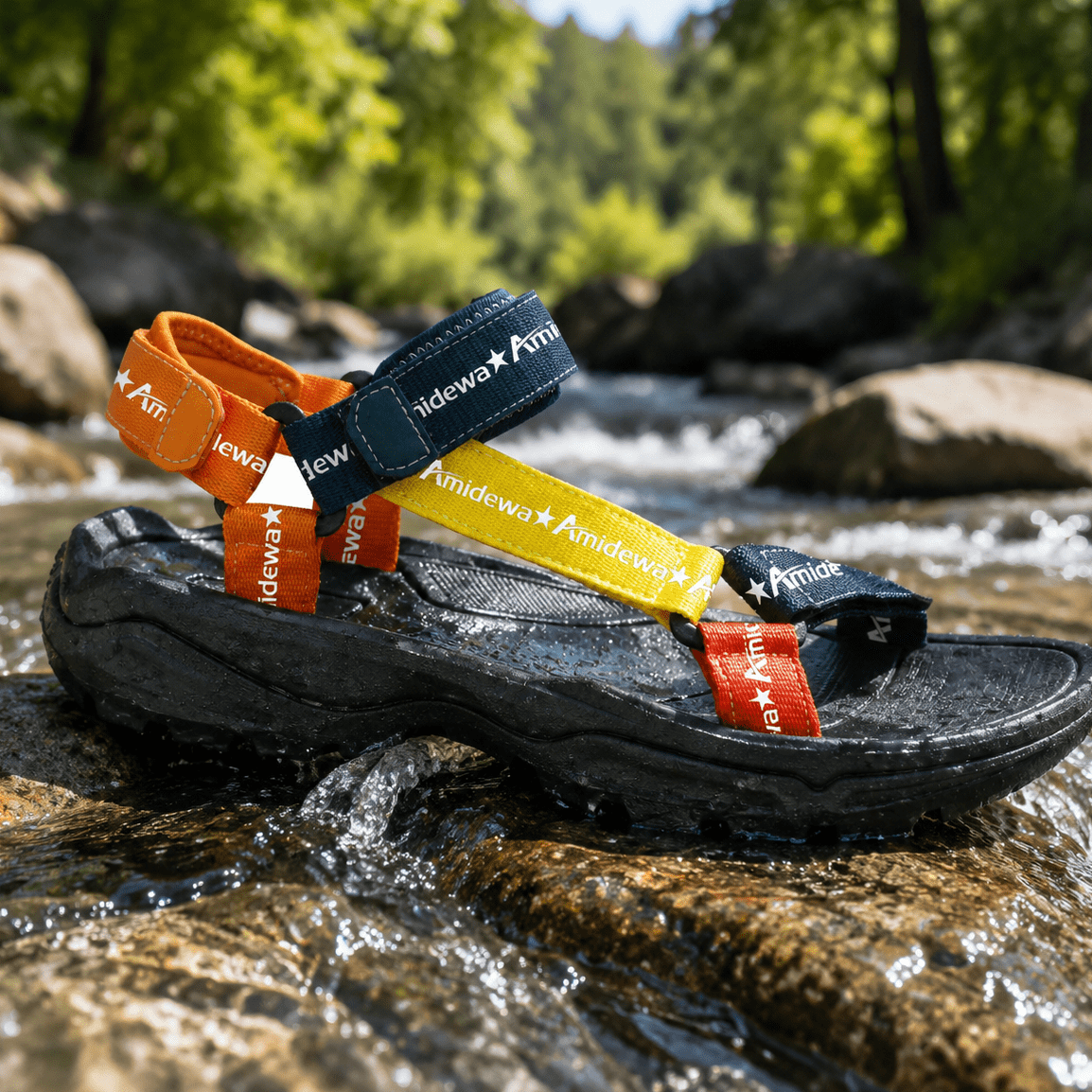
1. Beyond Seasonal Wear: The Rise of Technical Sport Sandals
The outdoor footwear space is undergoing a subtle but distinct shift. Consumers are no longer drawn to rigid categories; instead, they want gear that blends real field capability with daily comfort and low-key style. Standing right at the center of this trend is the open-toe sport sandal—a product that has quietly transformed from a basic summer staple into a high-growth, multi-scenario footwear category.
A decade ago, buyers mostly looked at sandals through a seasonal lens—beach trips, casual pool days, or light holiday wear. Today’s end-users have very different expectations. Driven by the expansion of adventure tourism, river trekking, and camping, people want sandals that can handle mixed terrain, dry off fast after a river cross, and still feel decent during long city walks.
For brands, importers, and sourcing managers, this evolution alters the math. Sport sandals are no longer cheap, low-margin add-ons for the warm months. They’ve turned into technical, year-round development priorities that deliver strong margins—provided you get the balance of grip, foot retention, and modern aesthetics right.
Key Factors Driving Category Demand
- The "Everyday Outdoor" Movement: More consumers are ditching heavy hiking boots for lighter alternatives during warm-weather treks and weekend trips.
- Focus on Underfoot Ergonomics: Buyers now evaluate sandals the same way they judge running shoes: looking for anatomical footbeds, shock absorption, and reliable arch support.
- Cross-Scenario Versatility: A single pair needs to transition seamlessly from a kayak trip to a campsite, then straight to a downtown coffee spot.
- Material Responsibility: End-consumers—especially in Western Europe and North America—expect recycled webbing, lower-VOC adhesives, and long-lasting build quality.
2. Technical Innovations Shaping Next-Gen Sandals
To stand out in a crowded shelf space or digital storefront, brands are leaning heavily on material and structural engineering. The margin for error in an open sandal is actually narrower than in a closed boot—there’s no upper canvas to hide bad footbed geometry or weak strap placement.
Advanced Midsoles and Cushioning
Modern sport sandals rely on dual-density EVA or molded Polyurethane (PU) formulations. The goal is simple: offer soft initial step-in comfort without having the foam pack out after fifty miles of trail use. High-rebound compounds help disperse heel impact, keeping foot fatigue low during extended wear.
Terrain-Specific Outsole Engineering
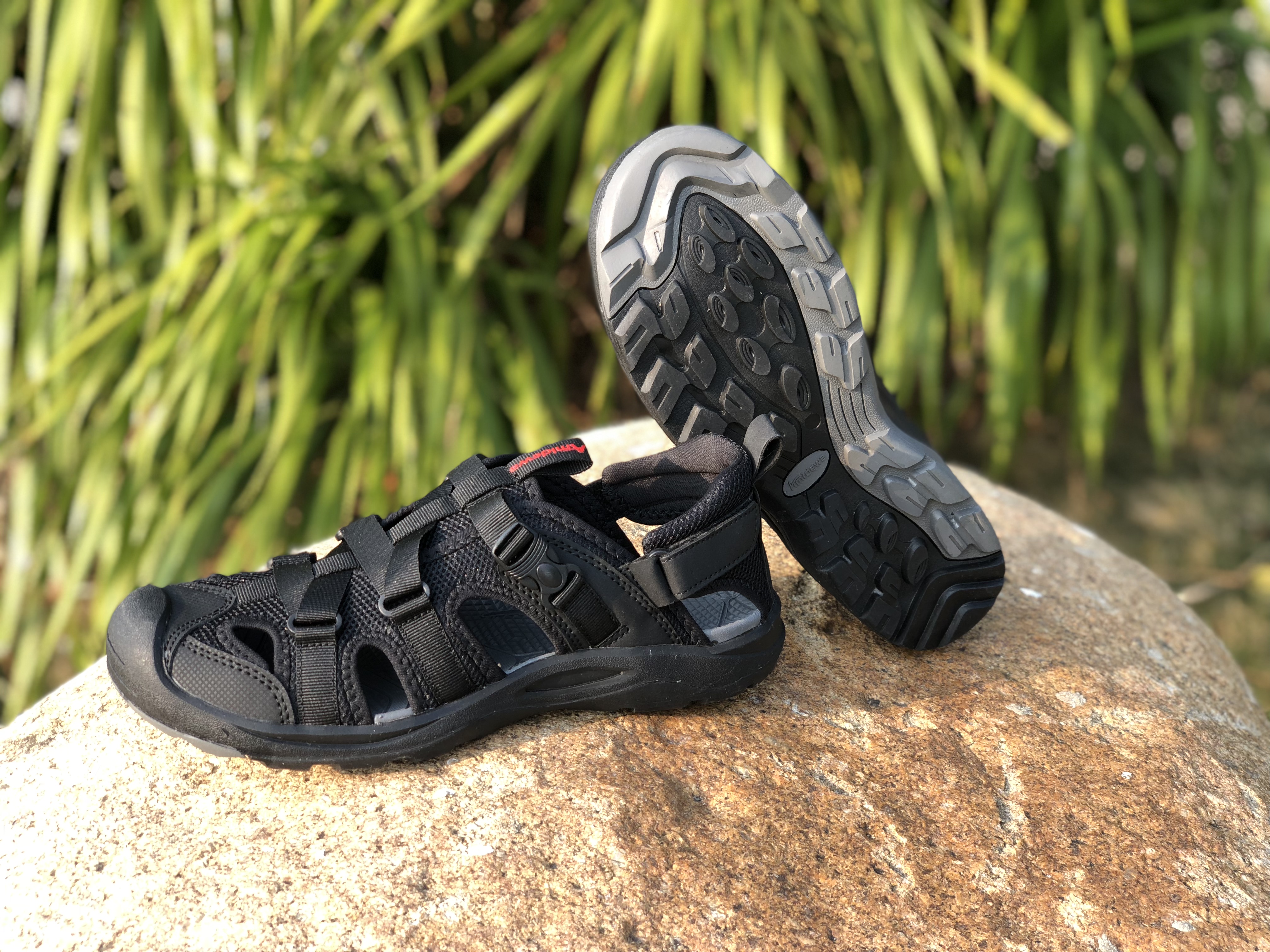
Traction is often where low-cost footwear fails. Leading brands use specialized rubber compounds combined with strategic lug geometry. Multi-directional tread, self-cleaning channel grooves, and sticky rubber formulations give users traction on wet slickrock, muddy banks, and slippery boat decks alike.
Secure Retention and Strap Mechanics
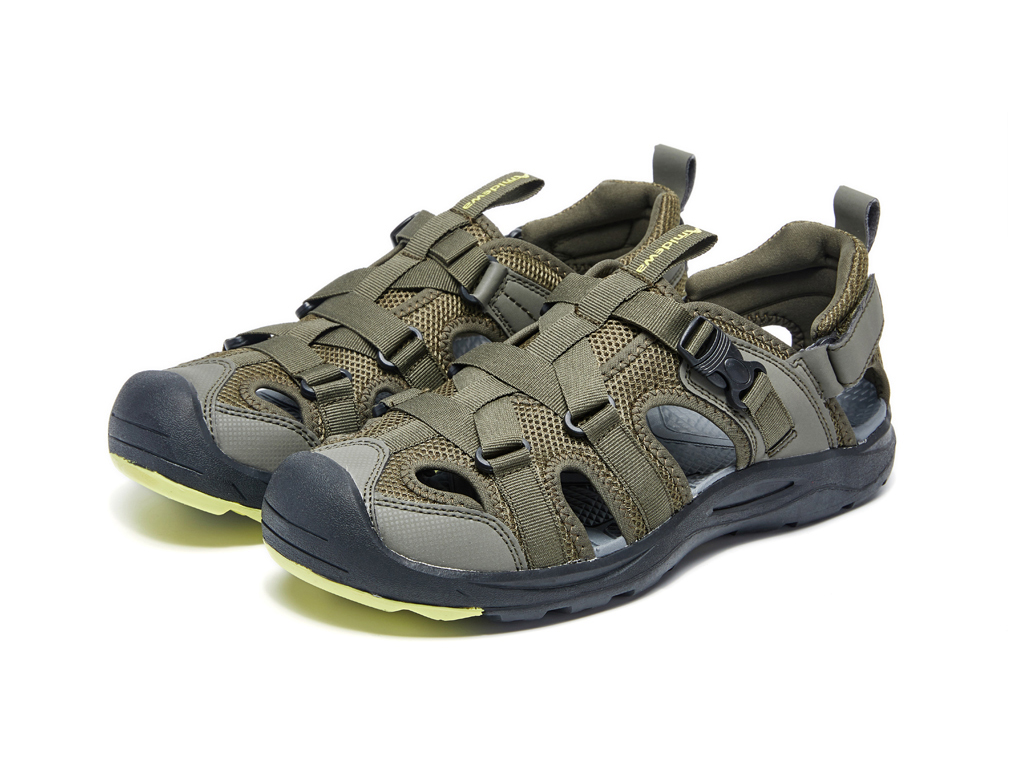
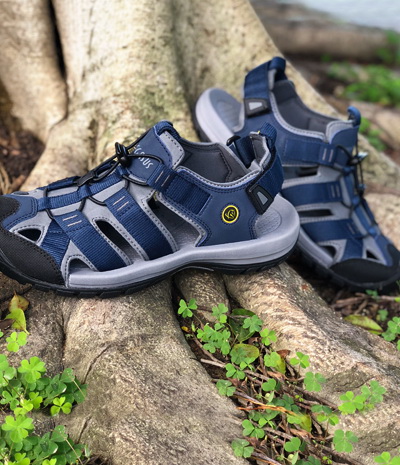
If the foot slides around inside the footbed, the sandal fails as a performance tool. Current designs favor multi-point adjustability—combining ladder locks, heavy-duty hook-and-loop closures, and strategically padded webbing anchors. Lining these contact zones with quick-dry neoprene prevents hot spots and chafing when wet.
Water Management and Sustainable Sourcing
Water compatibility goes beyond just water resistance—it’s about how quickly the sandal sheds weight after getting soaked. Hydrophobic webbing, closed-cell footbed foams that don't absorb water, and rust-proof hardware are standard expectations now. Simultaneously, factory partners who offer GRS-certified recycled polyester webbing and bio-based EVA alternatives hold a clear edge in modern RFP processes.
3. Where End-Users Put Sport Sandals to Work
Understanding end-use cases helps buyers curate tighter, more targeted seasonal lines:
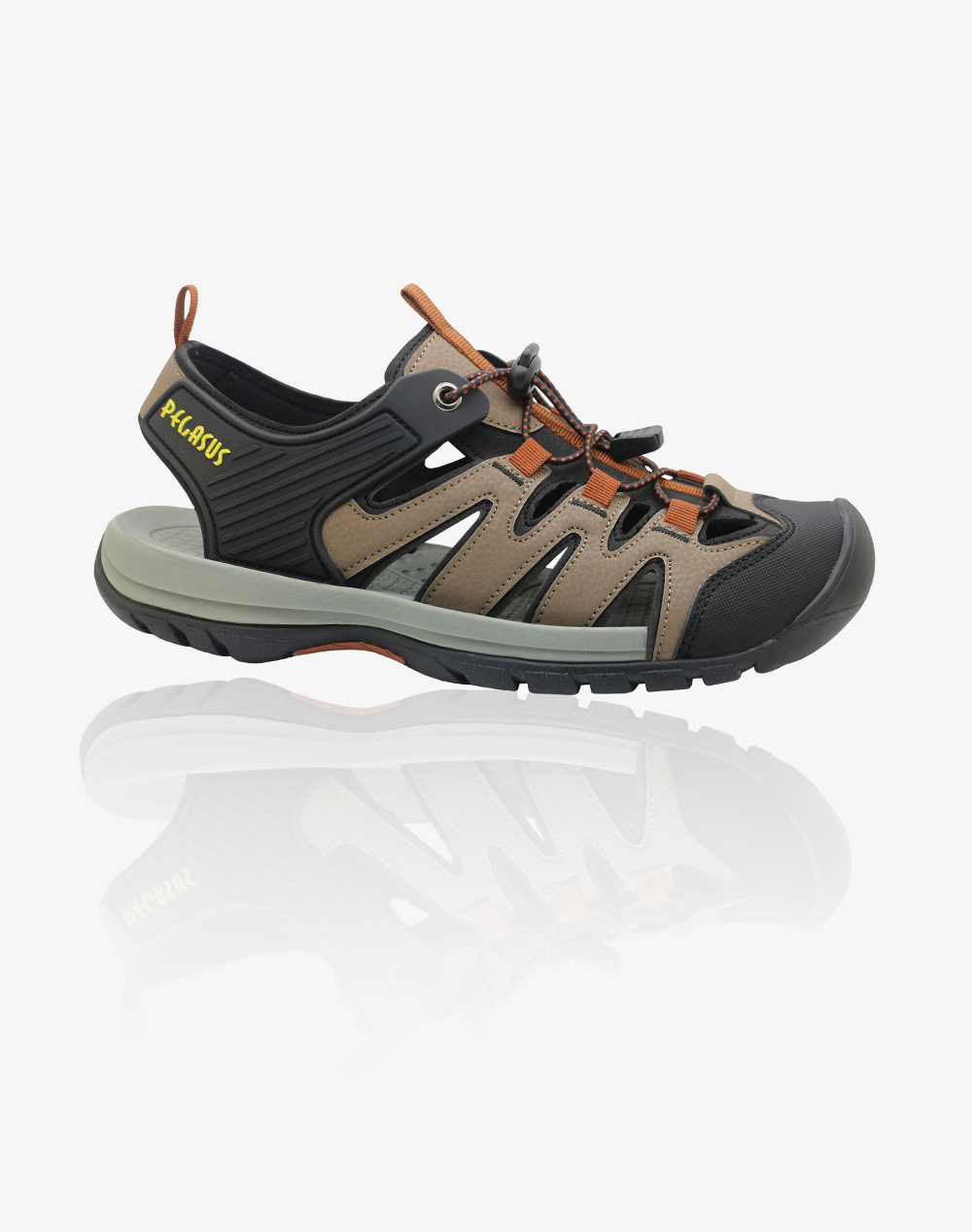
- Light Trail & Forest Trekking: Provides maximum airflow without sacrificing underfoot stability on non-technical dirt paths or warm-weather hikes.
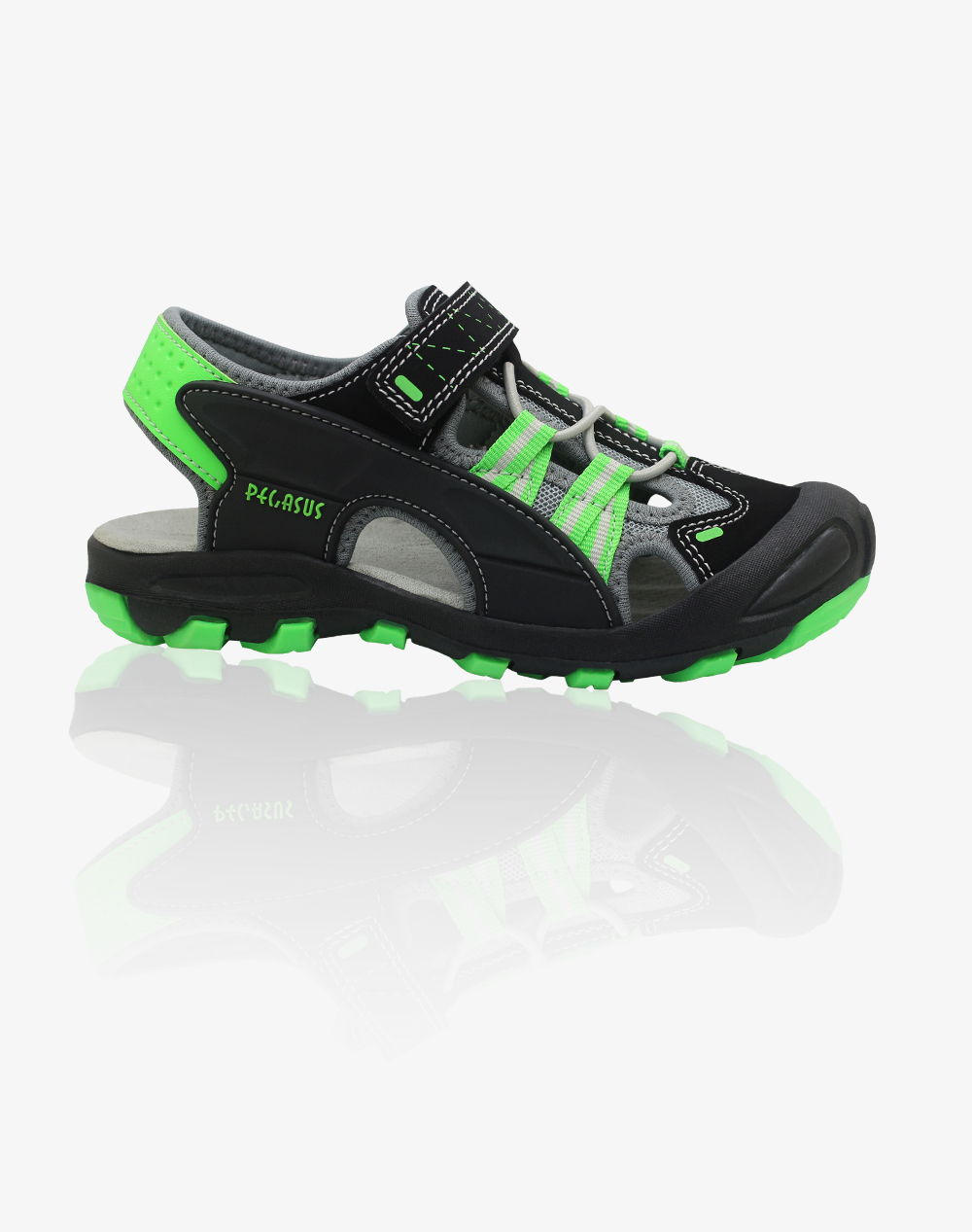
- Water Sports & River Trekking: Essential gear for kayaking, paddleboarding, and creek crossings where enclosed shoes would simply trap water and sand.
- Travel & One-Bag Travel: Highly packable, lightweight, and versatile enough to cut down the number of shoe pairs needed for a vacation.
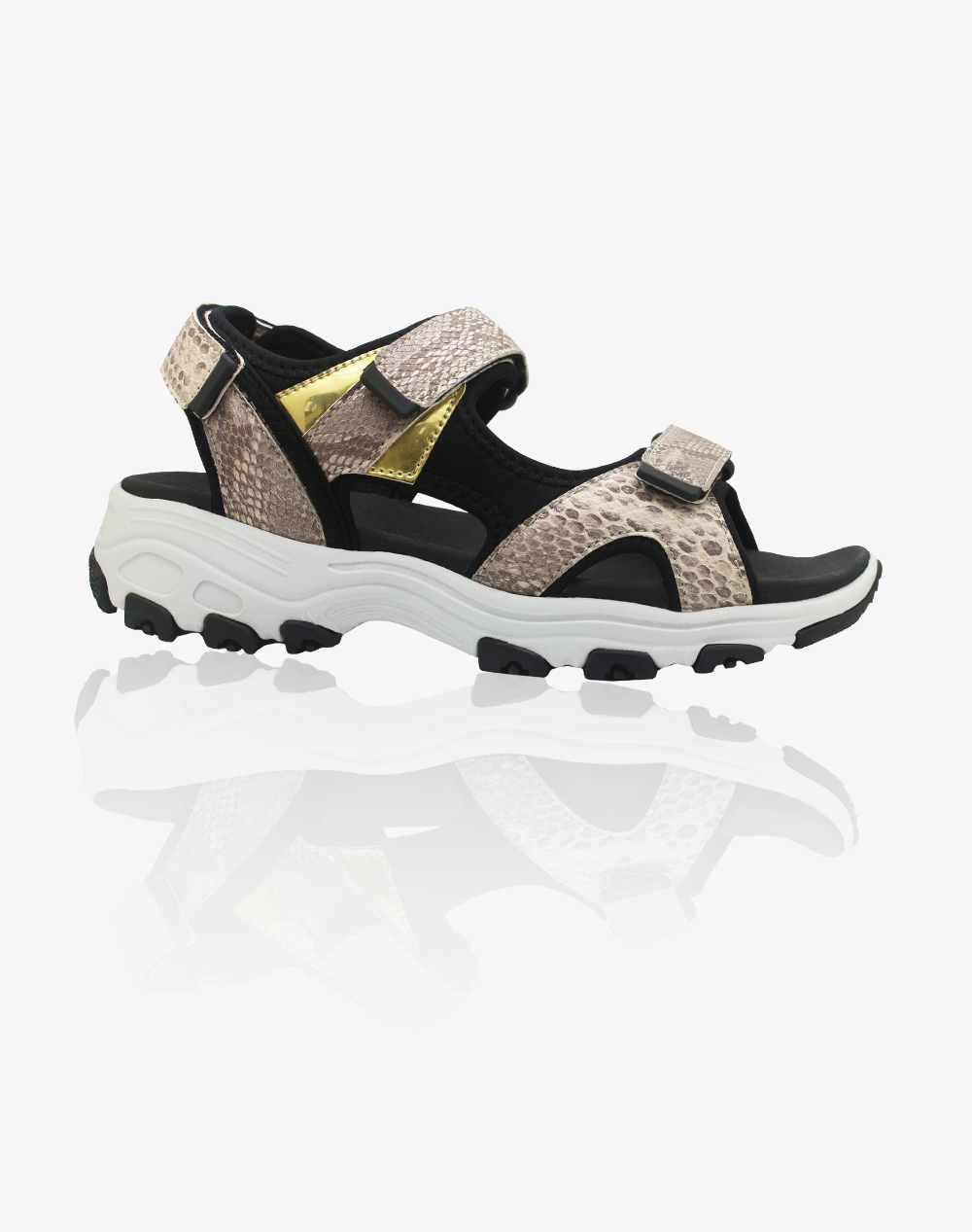
- Urban Outdoor & Lifestyle Fashion: Blending outdoor functionality with street-style colorways, making technical sandals a core part of casual summer wardrobes.
What This Means for Sourcing and Brand Strategy
The open-toe sport sandal category has clearly moved past its simple origins. It now represents a profitable intersection of outdoor functionality, modern comfort, and lifestyle appeal.
For footwear buyers, retailers, and private label brands, success depends on supply partners who understand these details. Having OEM/ODM suppliers who offer custom tooling, special rubber compounds, sustainable materials, and reliable QC is vital. It helps you launch a product line that performs on the ground and stands out in the market.


Contact Us