
The Evolution of EVA Sandals and Slides: From Simple Comfort to Modern Footwear
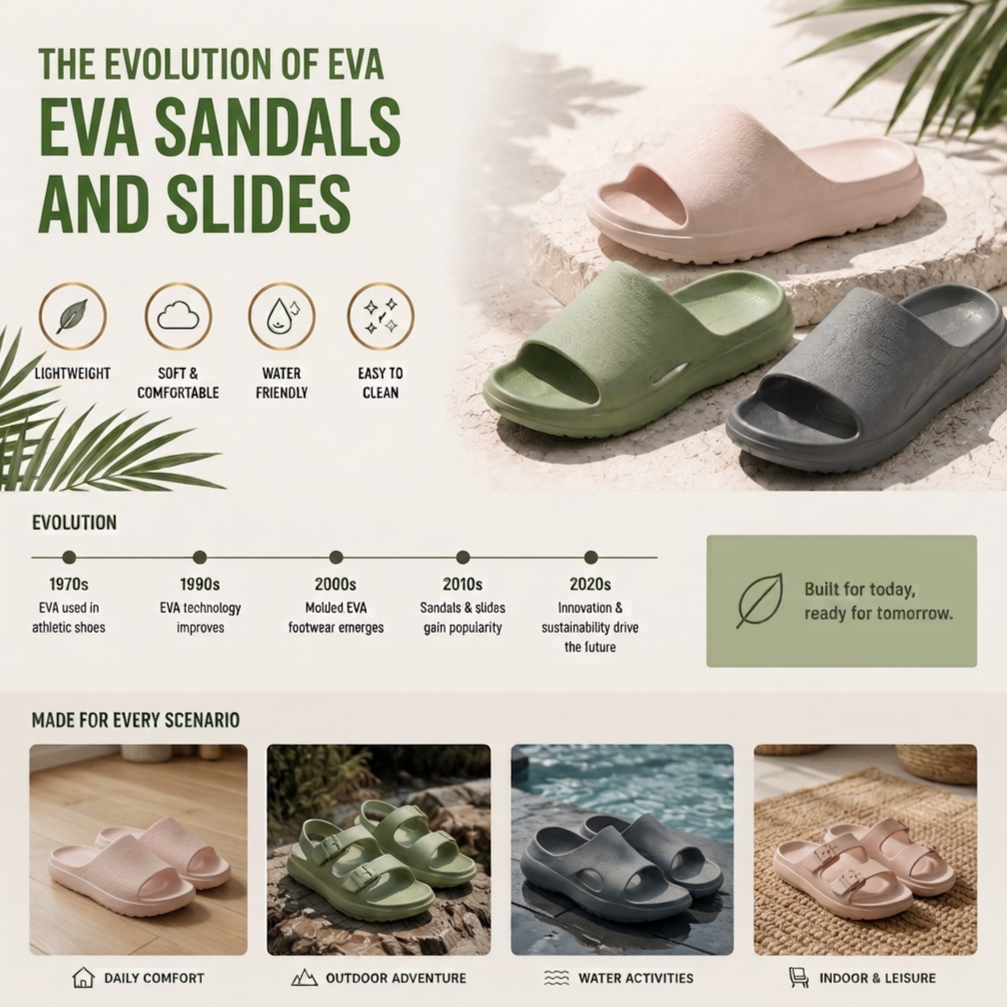
EVA sandals and EVA slides have become increasingly visible in the global footwear market. What was once mainly considered a lightweight material for athletic shoe cushioning has developed into a widely used solution for casual, lifestyle, outdoor, and water-friendly footwear.
The growth of EVA footwear reflects a broader change in consumer expectations. Today, people are looking for footwear that combines comfort, lightweight construction, easy maintenance, versatility, and contemporary design. For footwear brands, retailers, and importers, this shift is creating new opportunities across different market segments.
But EVA footwear did not become popular overnight. Its development is closely connected to the evolution of sports footwear, casual lifestyles, manufacturing technology, and changing consumer preferences.
From Athletic Cushioning to Everyday Footwear
EVA, short for Ethylene Vinyl Acetate, was initially valued by the footwear industry for its lightweight and cushioning properties. During the development of modern athletic footwear, manufacturers began using EVA foam in midsoles to provide cushioning while keeping shoes relatively light.
For many years, consumers experienced EVA mainly through the midsole of running and sports shoes. The material itself was not necessarily the focus of the product.
This gradually changed as molding technology developed.
Manufacturers learned how to use EVA in more complex shapes and eventually developed footwear products in which EVA became a major part of the entire structure. This opened the door to a new generation of lightweight sandals, slides, slippers, and casual footwear.
The concept was simple: instead of hiding the cushioning material inside a shoe, manufacturers could make the material itself part of the product.
This helped transform EVA from a technical footwear component into a recognizable material for everyday comfort.
Why EVA Became Popular
Several characteristics explain why EVA has become so widely used in sandals and slides.
First, EVA is lightweight. Compared with many traditional footwear materials, molded EVA products can significantly reduce the weight of the finished product. This makes them attractive for consumers who prioritize easy, relaxed wearing.
Second, EVA can provide a soft and cushioned underfoot feeling. This is particularly suitable for casual footwear used at home, around the pool, during vacations, or after sports activities.
Third, EVA is suitable for molded construction. Manufacturers can create different outsole patterns, footbed shapes, straps, platforms, and overall silhouettes without relying on complicated upper construction.
Another advantage is convenience. Many EVA products can be easily cleaned and are suitable for environments where footwear may come into contact with water.
These characteristics have helped EVA footwear move beyond the traditional slipper category.
The Expansion of the EVA Sandals and Slides Market
The sandal market has developed alongside several major lifestyle changes.
Travel has become an important use scenario. Consumers often want footwear that is lightweight and easy to pack. A pair of EVA slides can take up relatively little space in luggage and can be used in hotels, resorts, airports, pools, and casual outdoor environments.
At the same time, the growth of athleisure has changed how consumers think about casual footwear. The distinction between sportswear and everyday fashion has become less obvious.
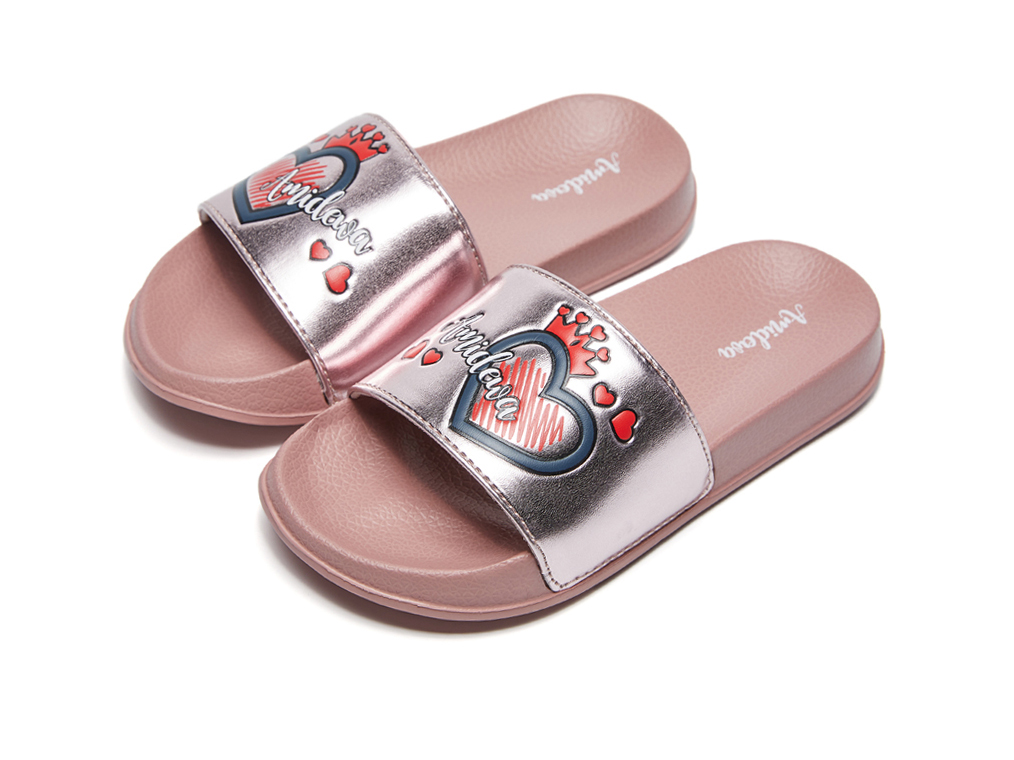
Slides that were once mainly associated with bathrooms, swimming pools, or post-sport activities can now be seen as part of everyday outfits.
This has created space for EVA sandals and EVA slides to enter broader lifestyle markets.
For footwear companies, this is particularly interesting because one product category can serve multiple scenarios:
- Daily casual wear
- Beach and pool use
- Resort holidays
- Travel
- Indoor leisure
- Post-workout recovery
- Outdoor activities
- Summer lifestyle collections
This versatility gives EVA footwear considerable commercial flexibility.
The Current Trend: Comfort Meets Fashion
One of the biggest changes in the EVA category is the move away from purely functional designs.
Early EVA footwear was often simple. Basic colors, straightforward shapes, and minimal details were sufficient because comfort and convenience were the main selling points.
The market has become more competitive.
Today, designers are experimenting with platform soles, wider straps, sculpted footbeds, chunky silhouettes, outdoor-inspired shapes, and more distinctive color combinations.
Neutral colors such as black, beige, gray, brown, and off-white continue to work well for everyday collections. At the same time, seasonal colors and brighter shades allow brands to create more youthful or fashion-oriented products.
The result is an interesting combination: the basic construction remains simple, but the design language has become more sophisticated.
Outdoor Influence Is Becoming Stronger
Another noticeable trend is the connection between EVA footwear and outdoor lifestyles.
Camping, hiking, travel, water activities, and casual outdoor recreation have become important lifestyle categories. Consumers participating in these activities often need footwear that is lightweight, comfortable, and easy to maintain.
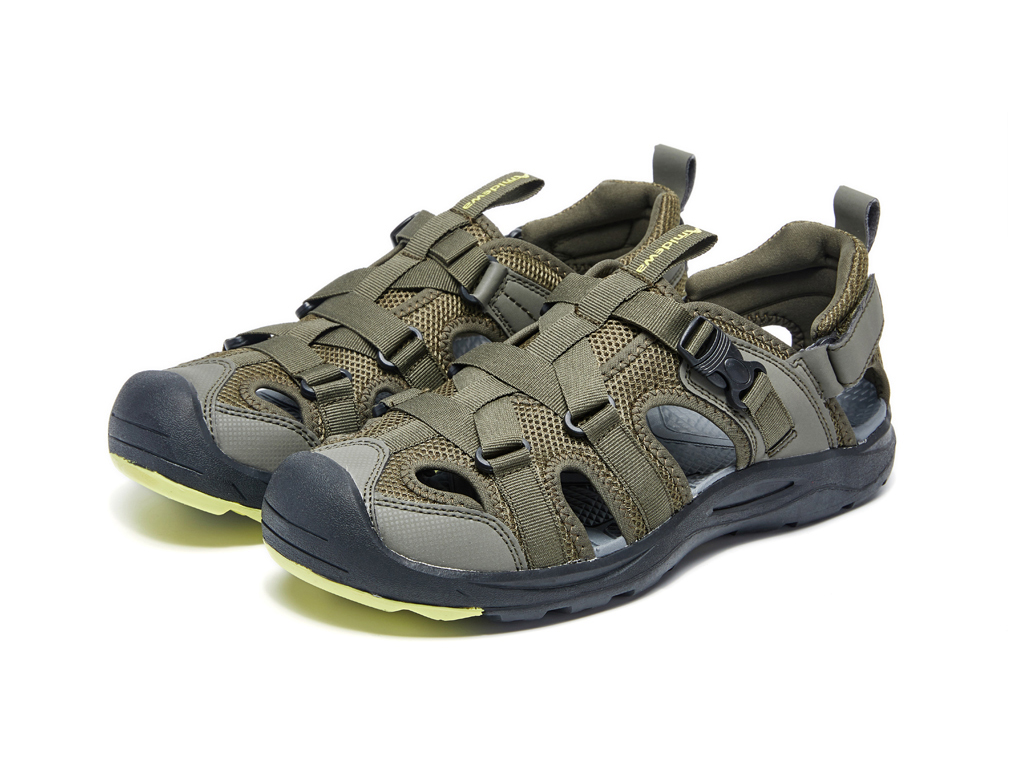
This has encouraged manufacturers to develop more functional EVA sandals.
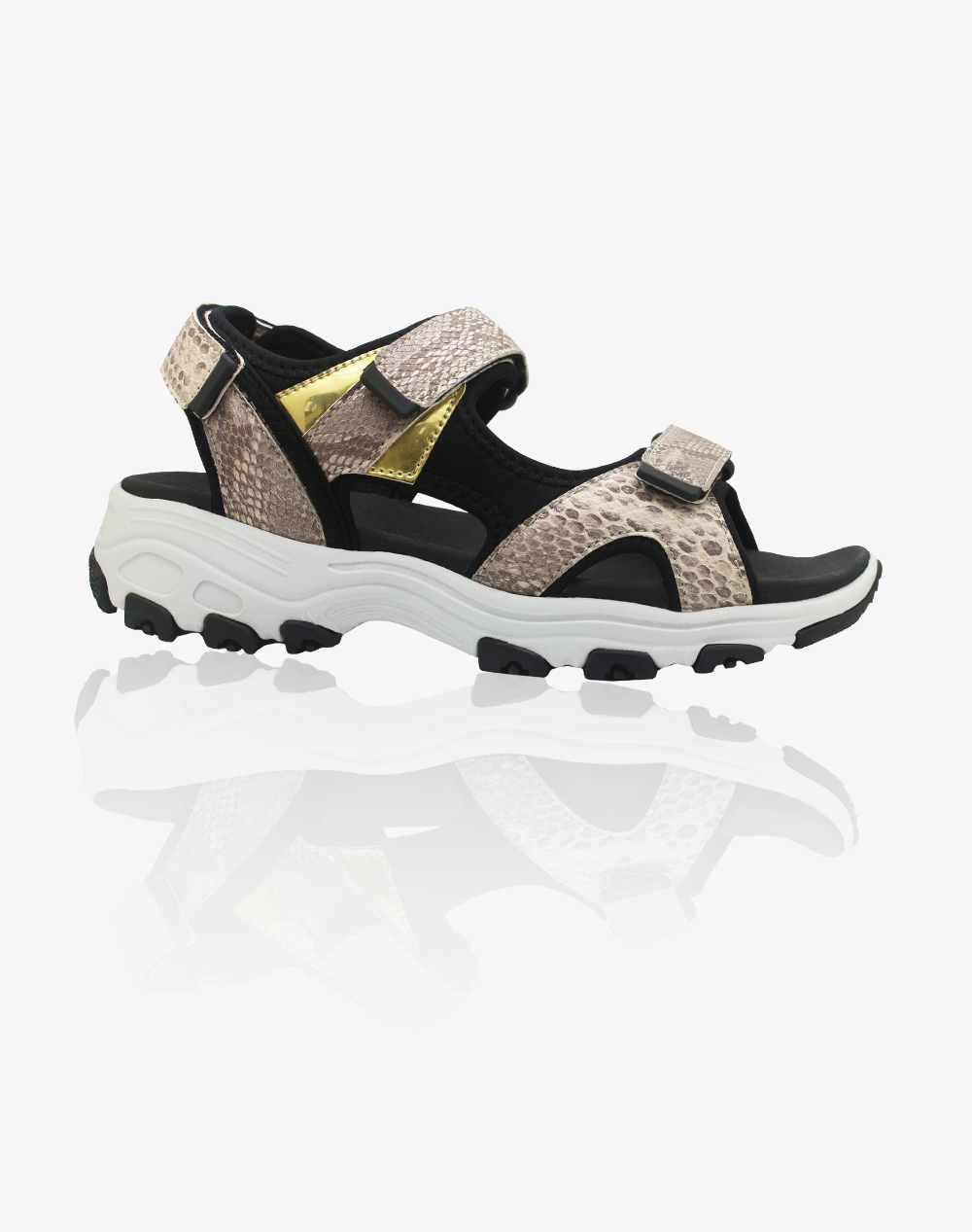
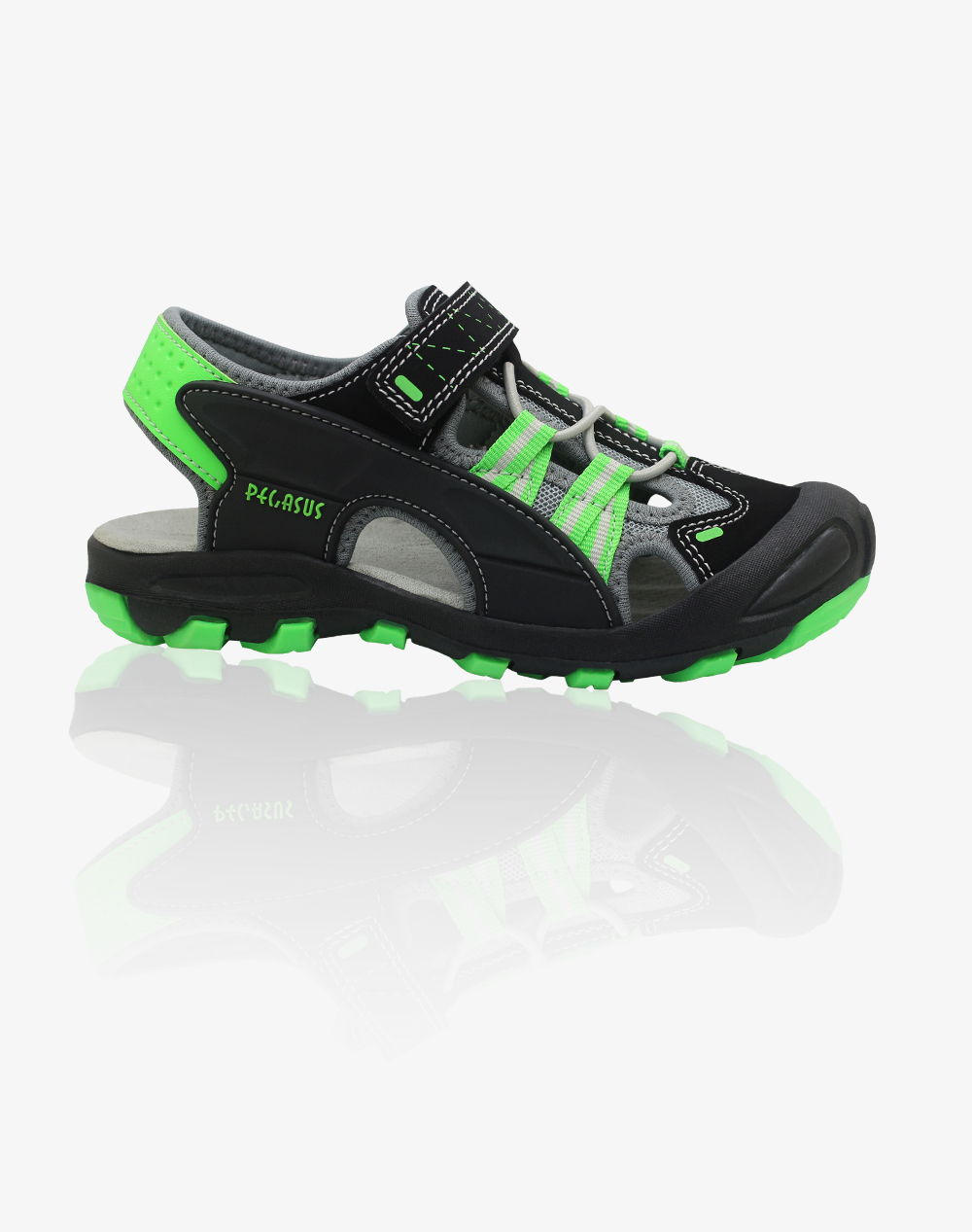
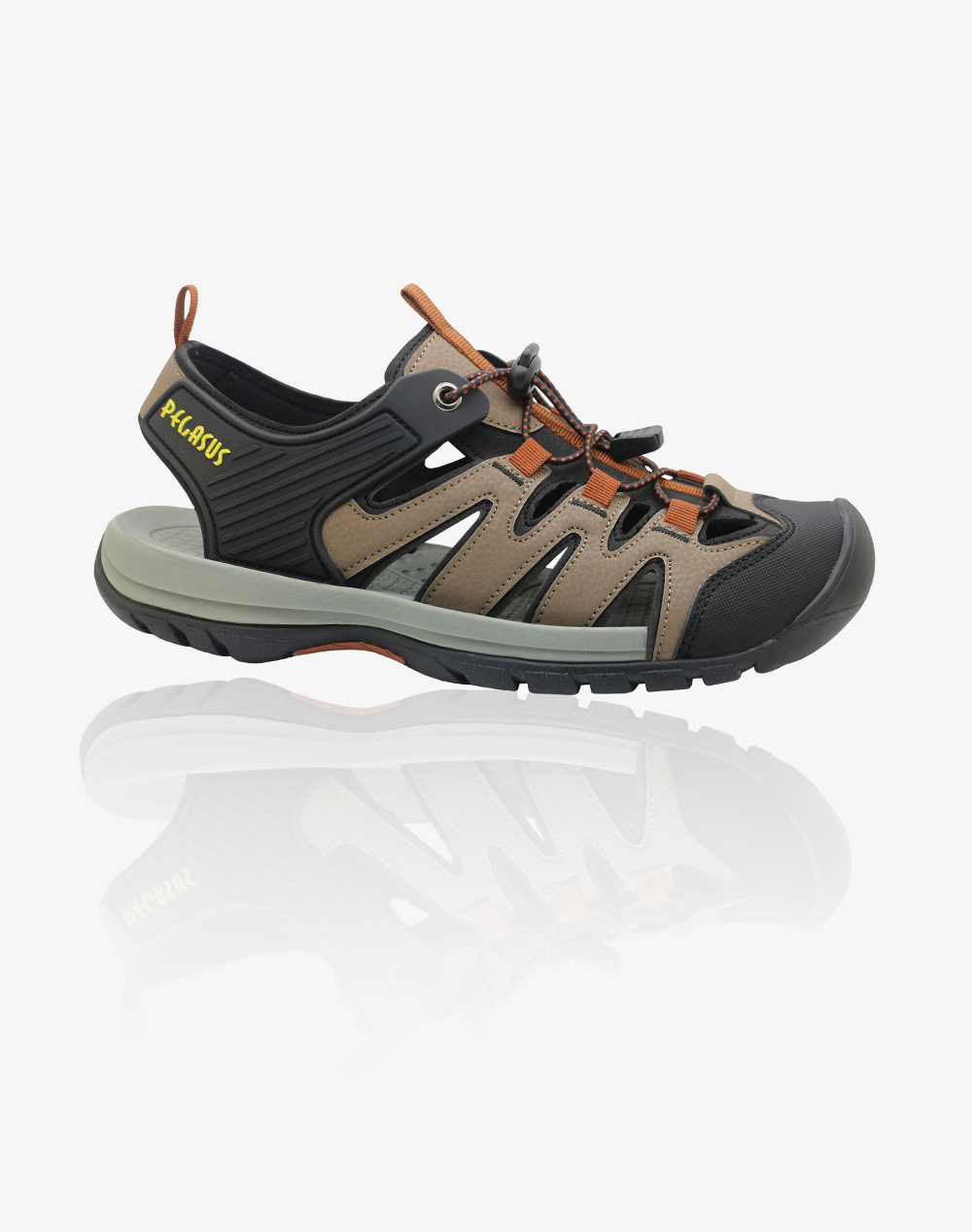
Instead of focusing only on a soft footbed, newer designs may incorporate improved outsole traction, structured footbeds, adjustable straps, deeper tread patterns, and hybrid constructions.
This is also where EVA can be combined with other footwear materials.
For example, an EVA midsole or footbed can be paired with a rubber outsole for additional traction and durability. Textile, webbing, synthetic leather, or other materials can also be introduced into the upper to create a different appearance or wearing experience.
As a result, future EVA footwear does not necessarily have to be a completely molded one-piece product.
Sustainability Is Becoming Part of the Conversation
Sustainability is another issue that will influence the future development of EVA footwear.
Global footwear brands are under increasing pressure to consider material selection, production processes, product durability, and end-of-life solutions.
EVA itself is valued for its low weight and manufacturing flexibility, but the industry is increasingly exploring ways to improve its environmental profile.
Potential directions include recycled EVA content, bio-based materials, more efficient production processes, and improved approaches to recycling.
For international footwear brands, material compliance is also becoming increasingly important. Buyers may require suppliers to meet specific chemical, environmental, and product safety standards depending on the destination market.
This means that material innovation will increasingly need to go together with supply-chain transparency and compliance.
What Does the Future Hold?
The next stage of EVA footwear development is unlikely to be about simply producing more EVA sandals or slides.
Instead, differentiation will become increasingly important.
Brands will be looking for products that offer a combination of recognizable design, functional performance, competitive pricing, and a clear market position.
Customization will therefore become an important part of OEM and ODM development.
Brands may request:
- Customized outsole patterns
- Exclusive colors
- Special footbed structures
- Different strap constructions
- Brand-specific molding
- Mixed-material designs
- Customized packaging
This approach allows companies to create products that are more closely aligned with their target customers rather than simply purchasing standard catalog products.
EVA and the Next Generation of Casual Footwear
Another potential direction is the development of more specialized EVA footwear.
Instead of having one basic product for everyone, brands can create different EVA products for different scenarios.
A lightweight slide may be designed for indoor recovery. A more structured EVA sandal may target travel and outdoor activities. A platform EVA sandal may focus on fashion. A water-friendly model may be developed for beach and resort markets.
This segmentation could make the category more sophisticated over time.
The material remains relatively simple, but product development becomes more targeted.
A Changing Role for Footwear Manufacturers
As the EVA category develops, footwear manufacturers will also need to play a larger role in product development.
In the past, many buyers mainly compared suppliers based on price, capacity, and production lead time.
Today, product development capabilities are becoming equally important.
An experienced OEM/ODM manufacturer can help brands evaluate material combinations, outsole structures, mold designs, color options, and production feasibility before a product enters mass production.
For international buyers, this can reduce development risks and make it easier to transform an initial concept into a commercially viable product.


Contact Us