
Why Hiking Sandals Are Becoming the Next Growth Opportunity in Men’s Outdoor Footwear
The Growing Global Demand for Technical Hiking Sandals
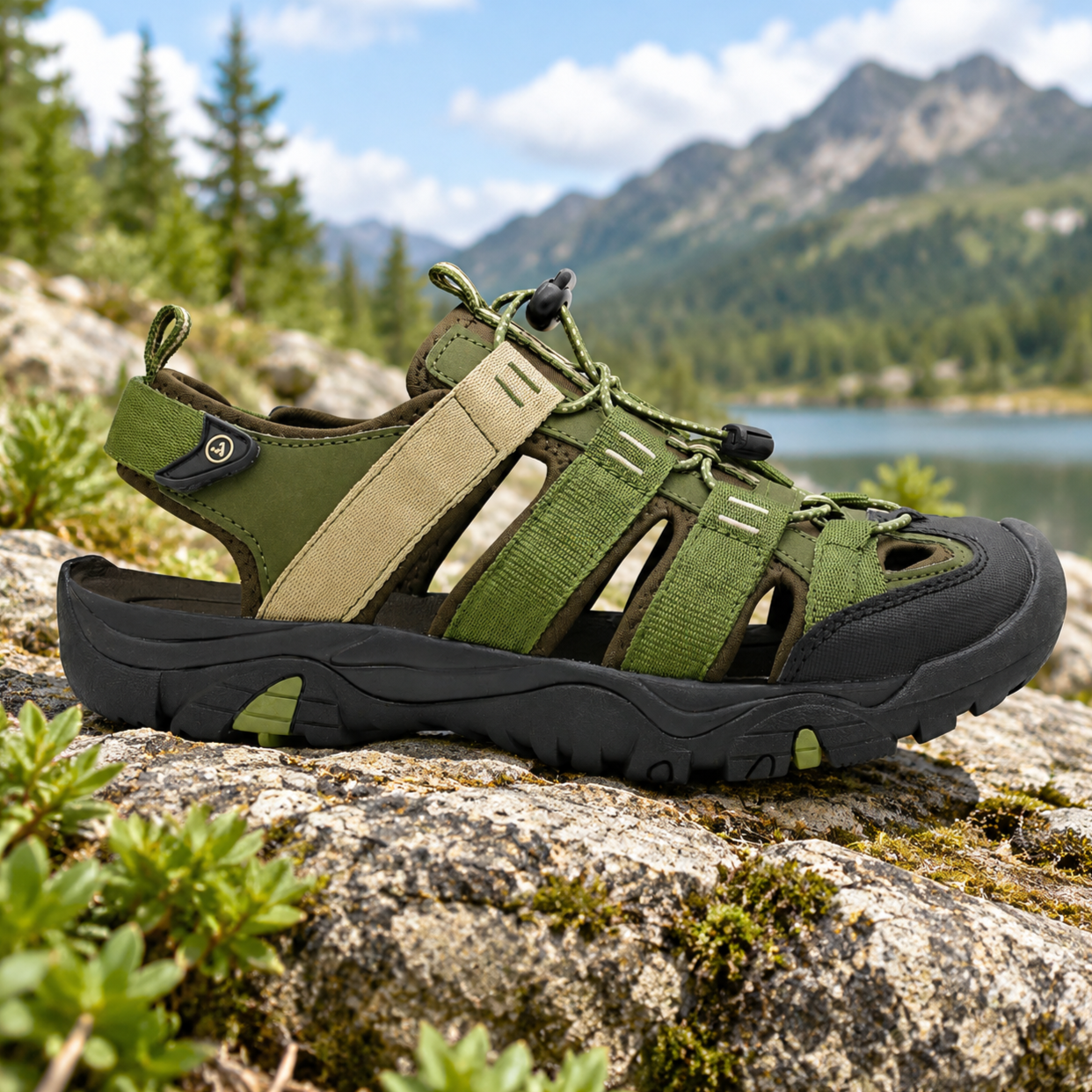
Outdoor lifestyles have become one of the strongest growth drivers in the global footwear industry. As consumers increasingly choose hiking, trekking, camping, and adventure travel, traditional hiking boots are no longer the only choice. A new category combining the breathability of sandals with the protection of hiking shoes is rapidly gaining attention — hiking sandals.
According to market research reports, the global hiking footwear market continues to expand as outdoor recreation participation increases worldwide. The global hiking footwear market was valued at approximately USD 11.18 billion in 2025 and is projected to reach USD 20.06 billion by 2034, growing at a CAGR of 6.74%.
Within this category, technical hiking sandals, especially closed-toe hiking sandals, are becoming an important segment because they provide a balance between protection, comfort, lightweight performance, and versatility.
A recent hiking sandals market analysis estimates that the global hiking sandals market reached around USD 2.4 billion in 2025 and is expected to grow to USD 4.1 billion by 2034, with a CAGR of approximately 6.1%. Men's hiking sandals represent the largest product segment, accounting for about 38.5% of market revenue in 2025.
For footwear brands and buyers, this trend creates a strong opportunity to develop innovative mens sandals designed not only for summer leisure but also for outdoor performance.
Why Closed-Toe Hiking Sandals Are Winning Consumer Attention
Traditional open-toe sandals provide excellent ventilation but have limitations in challenging outdoor environments. When hiking on rocky trails, river paths, forests, or uneven terrain, consumers increasingly demand additional protection.
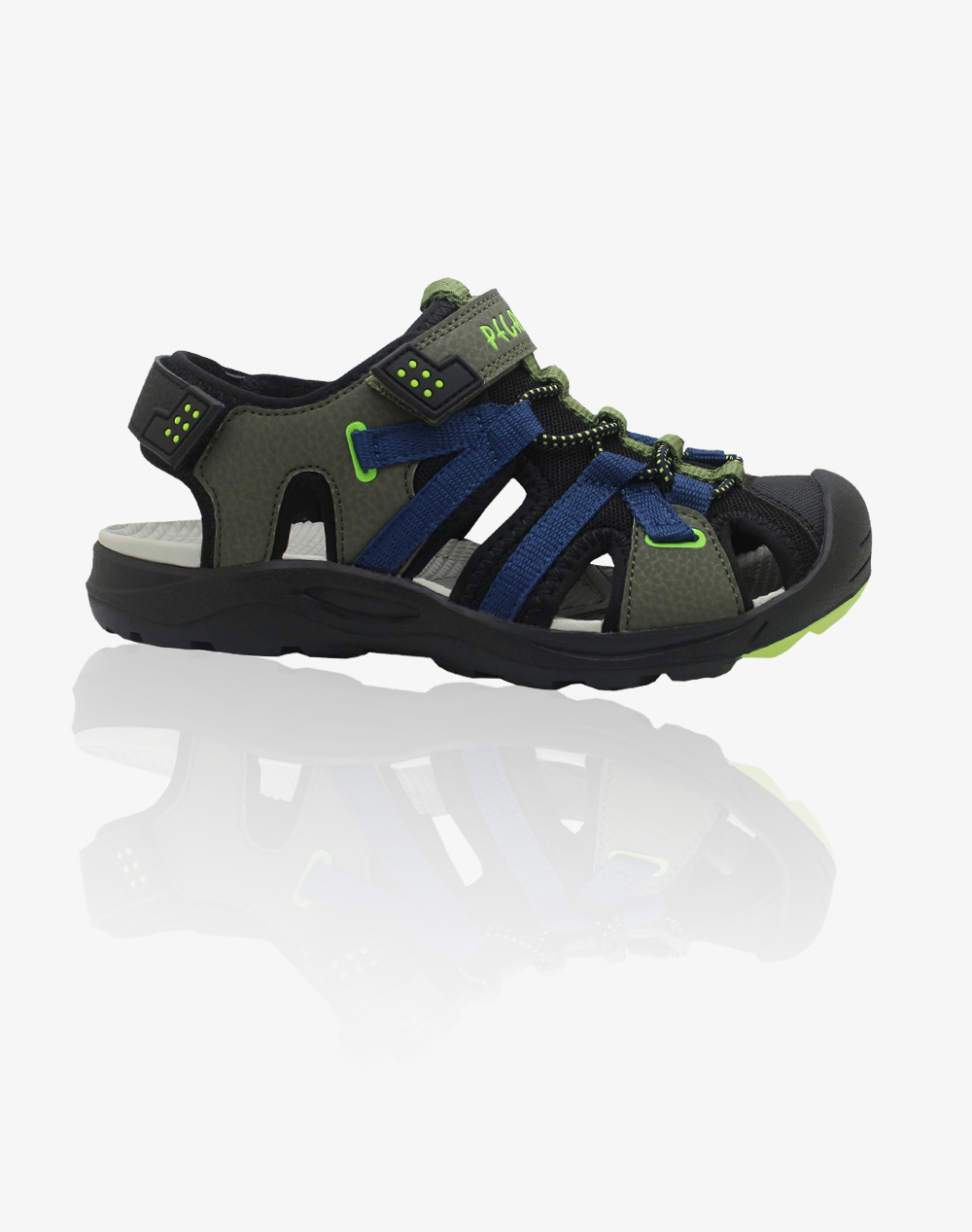
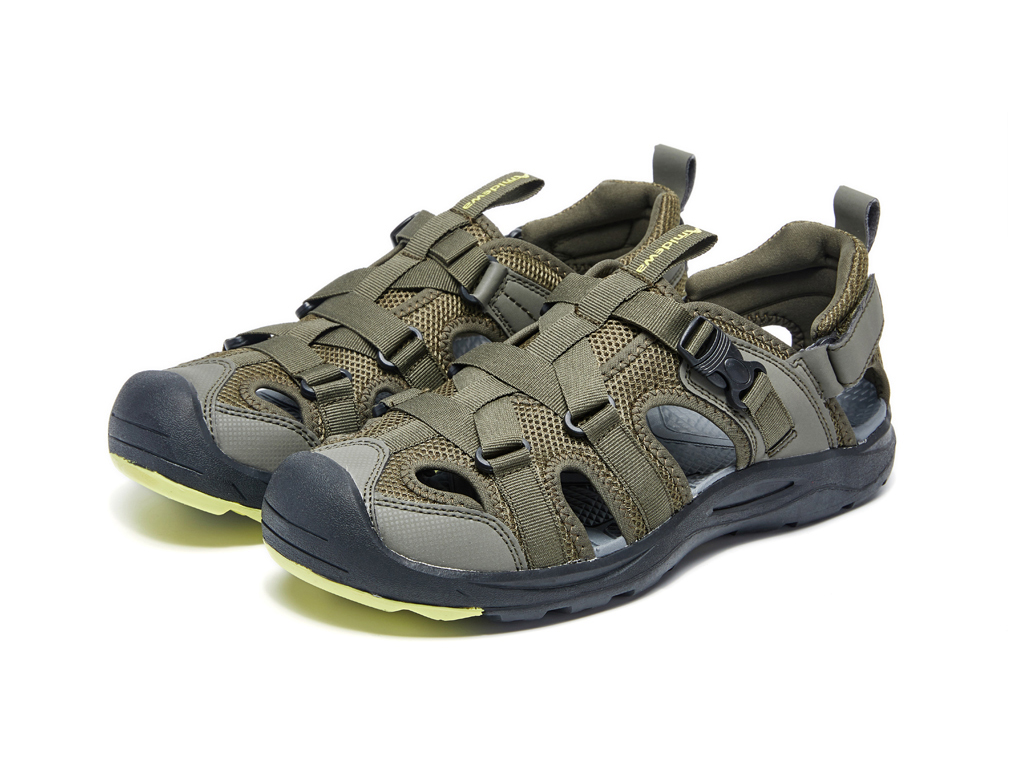
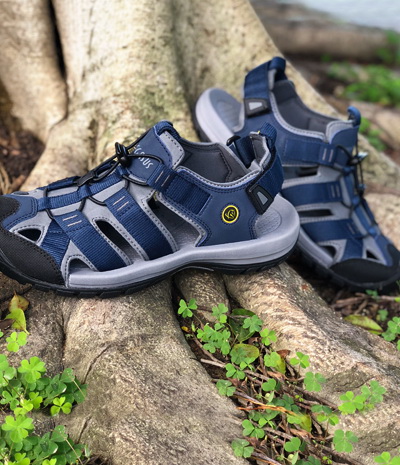
This has accelerated the popularity of closed-toe hiking sandals, which combine:
- Protective toe caps
- Breathable upper construction
- Adjustable strap systems
- Shock absorption cushioning
- Outdoor traction outsoles
- Water-friendly materials
Unlike ordinary beach sandals or casual flip-flops, modern hiking sandals are engineered for multi-environment use.
Today’s outdoor consumers expect footwear that can transition from:
- Mountain hiking
- Camping trips
- River trekking
- Kayaking
- Travel adventures
- Outdoor lifestyle activities
A single pair of performance sandals can replace multiple footwear choices, making them attractive for consumers seeking versatility.
Current Market Trends: Functionality Meets Lifestyle
The latest trend in hiking sandals is moving from simple outdoor footwear toward multifunctional lifestyle products.
1. Outdoor Adventure Becomes Everyday Lifestyle
After the pandemic, outdoor activities experienced strong global growth. Hiking, nature tourism, and adventure travel have attracted more young consumers who prefer active lifestyles.
According to industry research, rising outdoor tourism and active lifestyles are major factors supporting the growth of hiking footwear demand.
Modern consumers are no longer buying outdoor footwear only for professional hiking. They are purchasing products suitable for:
- Weekend hiking
- City walking
- Travel
- Beach exploration
- Casual daily wear
This shift is creating opportunities for brands to develop premium mens sandals with outdoor-inspired designs.
2. Protection Technology Becomes a Key Selling Point
One of the biggest innovations in hiking sandals is improved foot protection.
Traditional sandals expose toes to:
- Rocks
- Tree roots
- Uneven surfaces
- Outdoor obstacles
Closed-toe designs solve this problem through reinforced toe guards and protective shells.
New generation hiking sandals use:
Reinforced Toe Protection
Protective toe caps made from durable synthetic materials help reduce impact risks while maintaining flexibility.
Lightweight Cushioning Systems
Advanced EVA, Phylon, and foam technologies provide:
- Shock absorption
- Reduced walking fatigue
- Improved comfort during long-distance activities
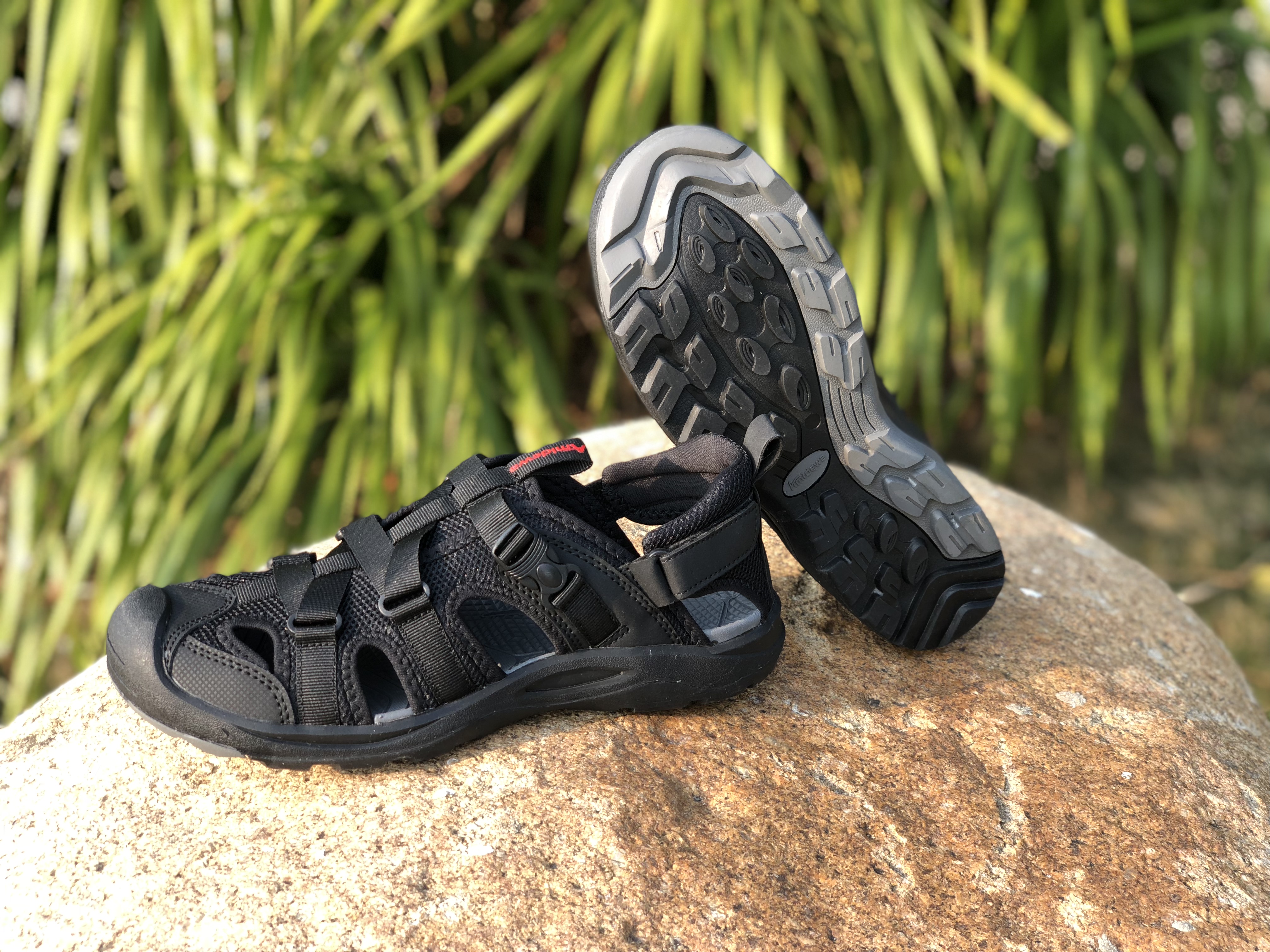
Multi-Directional Traction Outsoles
Outdoor brands are developing rubber outsole patterns inspired by hiking shoes, improving grip on:
- Wet rocks
- Dirt trails
- Mountain paths
Industry reports highlight that modern hiking footwear development increasingly focuses on lightweight construction, cushioning, flexibility, and terrain-specific outsole technologies.
New Material Innovation Driving Hiking Sandal Development
Sustainability is becoming another important direction in outdoor footwear.
Consumers and brands are increasingly interested in environmentally responsible materials, including:
Recycled Polyester Webbing
Used for straps and uppers, recycled materials help reduce dependence on virgin plastics while maintaining durability.
Bio-Based Foam Materials
Plant-based cushioning materials are being introduced to reduce environmental impact.
Recycled Rubber Outsoles
Manufacturers are exploring recycled rubber compounds to improve sustainability without sacrificing outdoor performance.
According to market research, synthetic materials currently represent a significant share of hiking sandal production because they provide durability, moisture resistance, lightweight performance, and cost efficiency.
For OEM and ODM manufacturers, sustainable material options are becoming an important differentiation point when working with international outdoor brands.
Where Are Hiking Sandals Being Used Today?
The application range of hiking sandals continues expanding.
Hiking & Trekking
The original purpose of hiking sandals remains trail activities. Closed-toe designs are especially suitable for rocky trails and mixed terrain.
Water Activities
Quick-drying construction makes hiking sandals popular for:
- River hiking
- Waterfall exploration
- Kayaking
- Beach trekking
Travel & Adventure Tourism
Travelers prefer lightweight footwear that can handle different environments without carrying multiple pairs.
Everyday Outdoor Lifestyle
Many consumers now wear technical sandals for:
- Walking
- Outdoor restaurants
- Camping weekends
- Summer vacations
This crossover between performance and lifestyle is one reason the mens sandals category continues developing beyond traditional seasonal footwear.
Regional Market Opportunities for Hiking Sandals
North America remains one of the strongest markets due to its mature outdoor culture, extensive national park system, and high participation in hiking activities.
According to hiking sandals market research, North America accounted for approximately 34.8% of global hiking sandal revenue in 2025.
Meanwhile, Asia Pacific is expected to become one of the fastest-growing regions due to:
- Increasing disposable income
- Growth of outdoor tourism
- Rising interest in camping and hiking
- Expansion of e-commerce channels
For global footwear suppliers, emerging markets provide opportunities for developing affordable but functional hiking sandals.
The Future of Men’s Hiking Sandals: Lightweight Protection and Versatility
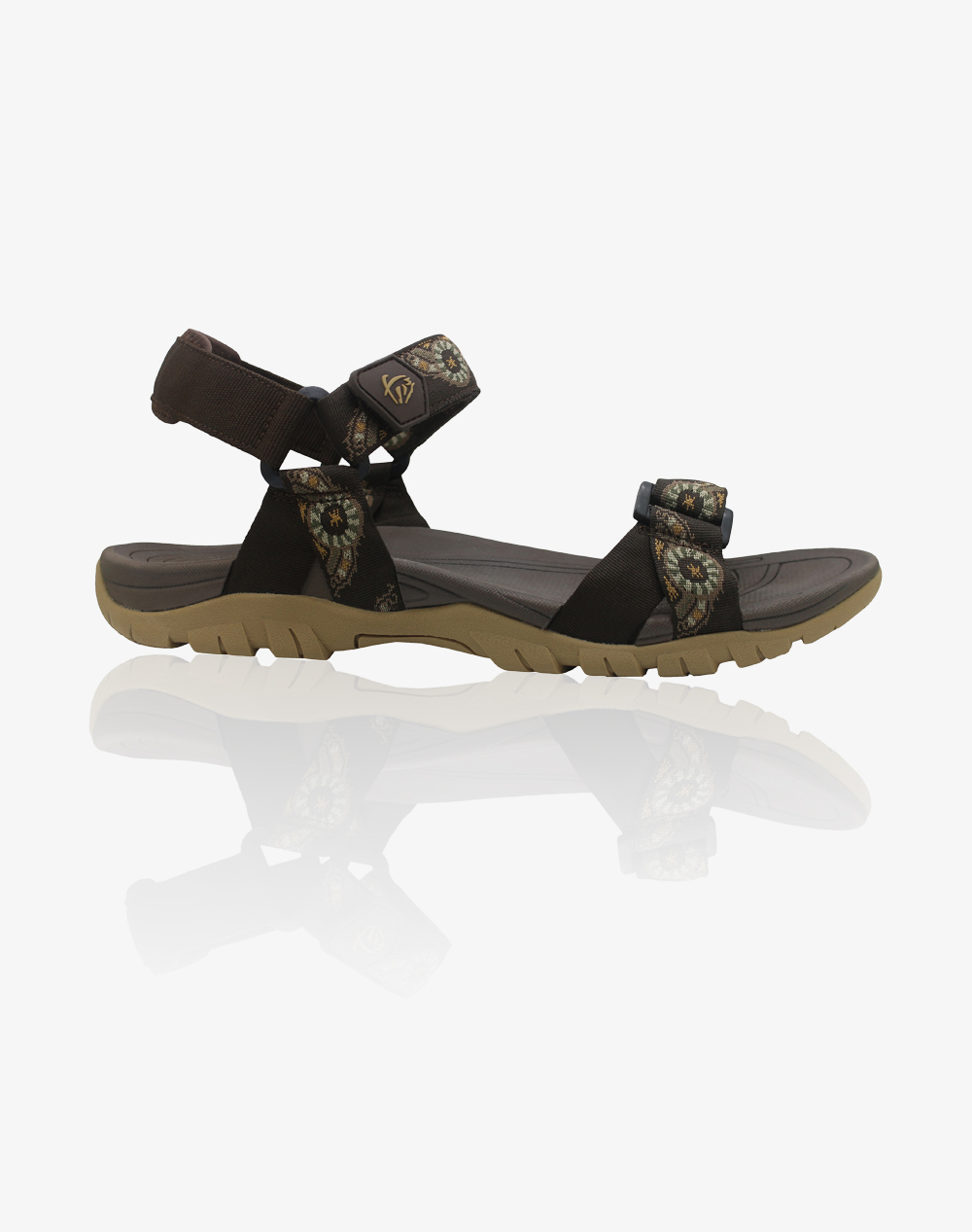
The future direction of mens sandals is clear: consumers want more than simple summer footwear.
Future hiking sandal development will focus on:
✓ Stronger toe protection
✓ Lighter construction
✓ Better cushioning systems
✓ Sustainable materials
✓ Improved traction technology
✓ Outdoor-to-lifestyle versatility
The new generation of hiking sandals represents the combination of two worlds: the freedom and ventilation of sandals with the protection and performance of hiking shoes.
For footwear brands and retailers, investing in innovative hiking sandals offers a valuable opportunity to capture the growing demand for outdoor performance footwear.
As outdoor lifestyles continue expanding globally, closed-toe hiking sandals are positioned to become one of the most promising categories within the next generation of mens sandals.



Contact Us