
Women Platform Sandals: Design Trends, Manufacturing Expertise, and OEM/ODM Sourcing Opportunities
1. The Growing Appeal of Women Platform Sandals in the Global Footwear Market
The global footwear industry continues to offer opportunities for brands, retailers, wholesalers, and importers looking to expand their women's footwear collections with commercially attractive products.
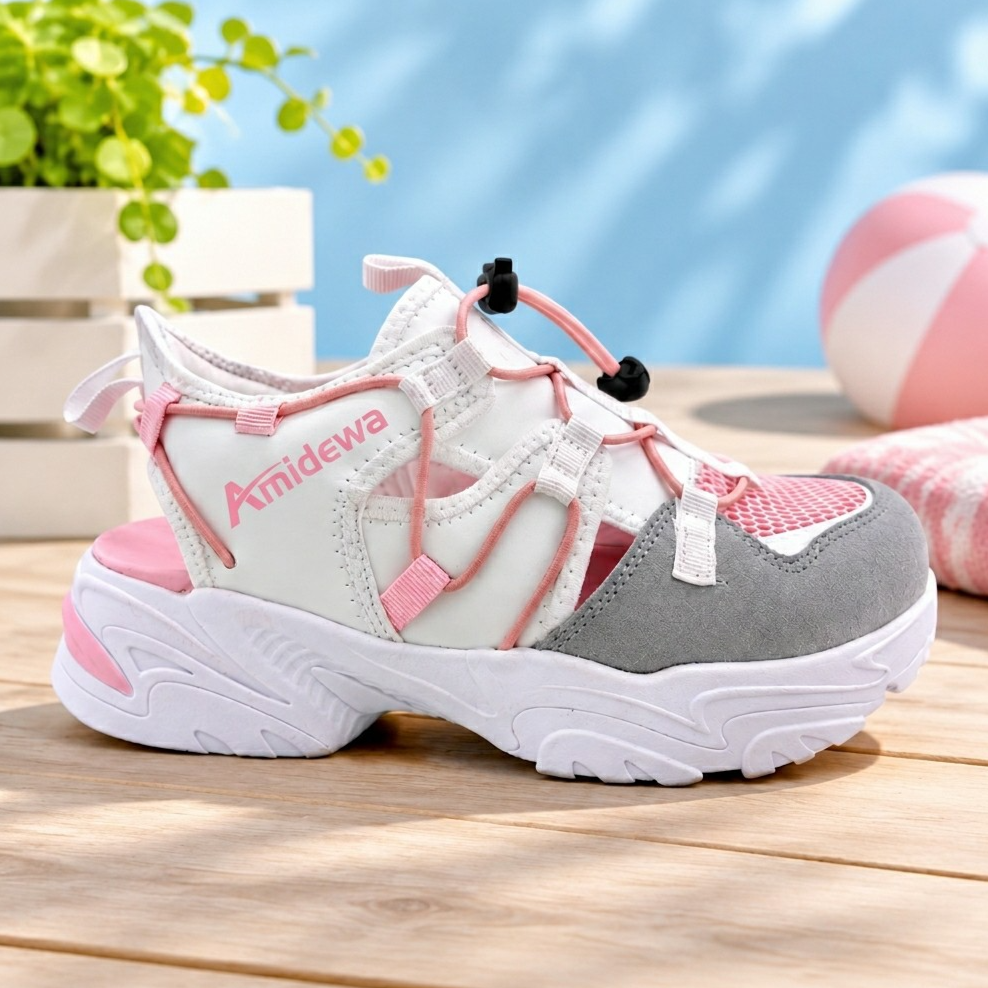
Among the many categories in the market, platform sandals have maintained a distinctive position by combining fashionable silhouettes, additional height, and everyday wearability. Unlike conventional flat sandals, women platform sandals feature elevated soles that create a stronger visual profile while offering designers more opportunities to experiment with proportions, materials, textures, and decorative details.
This versatility makes platform sandals suitable for a wide range of retail channels, including fashion boutiques, department stores, online footwear retailers, lifestyle brands, and seasonal collections.
According to the United States International Trade Commission (USITC), U.S. footwear imports reached approximately USD 27.32 billion in 2024, compared with USD 25.72 billion in 2023, representing an increase of approximately 6.2%. China remained the largest individual sourcing country, with footwear imports valued at approximately USD 9.79 billion, followed by Vietnam at USD 8.84 billion.
These figures cover the broader footwear industry rather than platform sandals specifically, but they demonstrate the considerable scale of international footwear sourcing and the importance of reliable manufacturing partnerships.
The Footwear Distributors and Retailers of America (FDRA) also reported that U.S. sandal import volume increased by 9.5% year over year in December 2024, while import value increased by 8.1%. Although a single month's performance should not be interpreted as a long-term market forecast, the figures offer useful evidence of continued international trade activity in the sandal category.
For footwear buyers, these developments highlight the importance of identifying products that combine commercial appeal with dependable production capabilities. Women sandals are no longer selected solely for their appearance; buyers increasingly need styles that can serve different consumer preferences, price segments, and wearing occasions.
Platform sandals answer several of these requirements through their adaptable construction and broad design possibilities. From casual summer footwear to fashion-oriented collections, they can be developed with different platform heights, outsole profiles, upper configurations, and material combinations.
For brands planning their next seasonal assortment, understanding the relationship between fashion direction, product functionality, and manufacturing feasibility is an important starting point for building a competitive women's footwear collection.
2. Key Design Elements and Product Development Opportunities for Platform Sandals
Successful platform sandals begin with a balance between visual design, functional performance, and consumer comfort.
For buyers developing a new women sandals collection, the platform sole is one of the most important product features because it determines not only the overall appearance but also the footwear's weight, flexibility, stability, and wearing experience.
Different sole constructions can create completely different market positions. Lightweight EVA platforms, for example, are suitable for casual, vacation, beach, and everyday collections because EVA offers cushioning and low weight. Rubber or TPR outsoles can provide additional durability and traction, while PHYLON constructions may be considered when buyers require a particular balance of cushioning, resilience, and structural support.
Cork-inspired textures, molded patterns, and layered sole designs also provide opportunities to create distinctive visual identities without relying entirely on complicated upper decorations.
Platform heights can range from moderate everyday elevations to more dramatic fashion silhouettes, depending on the target market and intended retail positioning. However, a higher platform does not automatically mean a better product. Designers and manufacturers should consider the relationship between forefoot thickness, heel elevation, footbed shape, outsole grip, and overall stability.
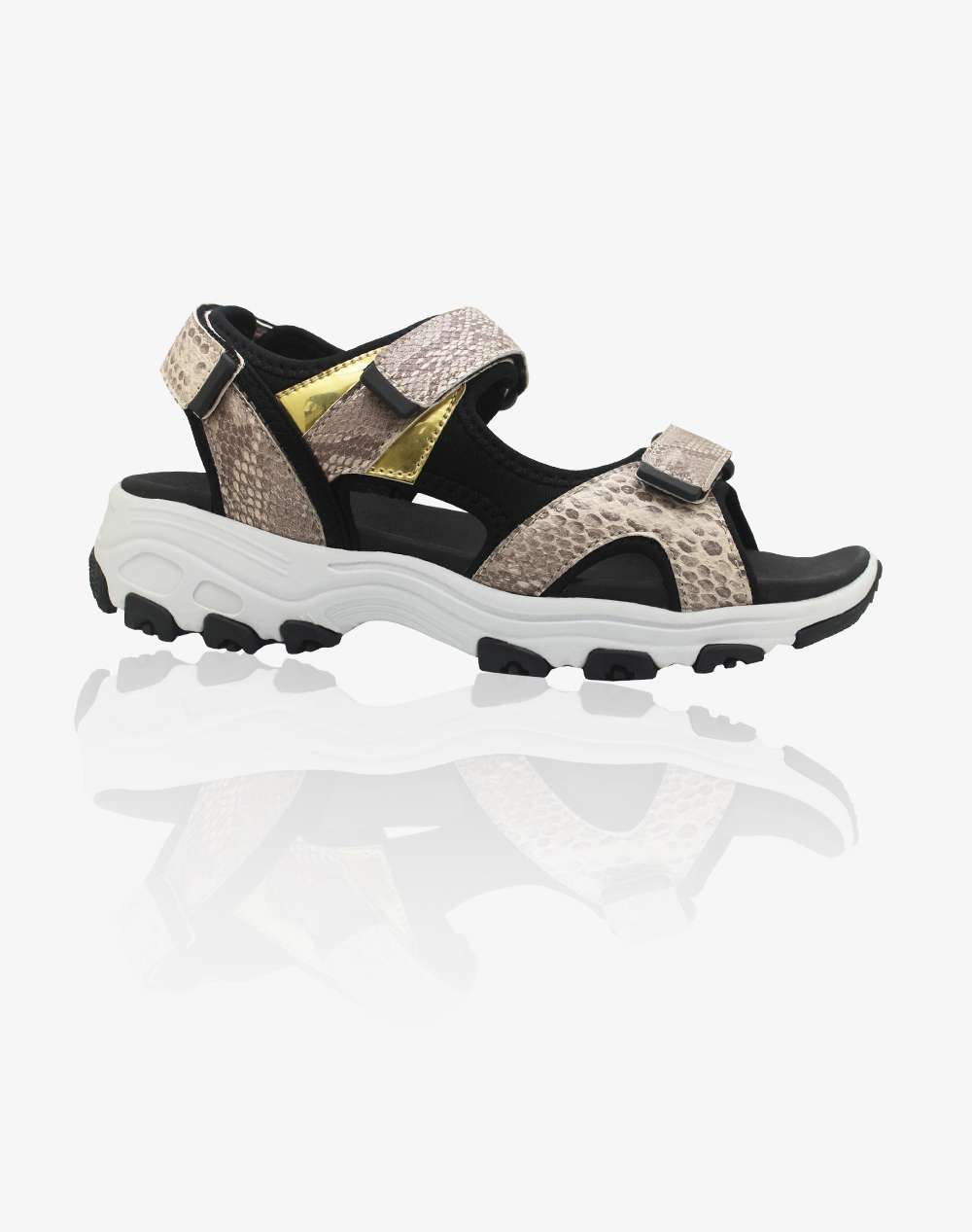
The upper design is equally important. Wide straps, adjustable buckles, elastic components, cross straps, woven details, and decorative elements can all influence the final appearance and fit of women platform sandals.
For fashion brands, these details offer opportunities to develop recognizable collections while maintaining a consistent product identity across multiple styles.
Material selection should also match the intended application. Synthetic leather, PU, textile, webbing, EVA, and other suitable materials provide different combinations of appearance, flexibility, cost, and maintenance requirements.
For example, a fashion-oriented collection may prioritize textured uppers, metallic finishes, or decorative hardware, while a casual summer collection may focus on lightweight materials, easy-to-clean surfaces, and comfortable footbeds.
Product development teams should also evaluate practical construction details, including strap attachment strength, bonding performance, outsole abrasion resistance, dimensional consistency, and colorfastness where applicable.
These factors are particularly important for buyers sourcing products for multiple retail locations or selling through online channels, where consistent quality can directly influence customer satisfaction and return rates.
At the development stage, physical samples, fit assessments, material testing, and production evaluations help identify potential problems before bulk manufacturing begins.
A professional footwear manufacturer should be able to discuss these details with buyers rather than simply reproduce an existing design. The objective is to transform a design concept into a commercially viable product that meets the brand's aesthetic, functional, and cost requirements.
3. What International Buyers Should Consider When Sourcing Women Sandals
Selecting the right manufacturing partner is a critical decision for footwear brands, importers, wholesalers, and retailers.
When sourcing women platform sandals, buyers should evaluate more than the quoted unit price. Manufacturing experience, product development capabilities, material sourcing, quality management, production capacity, communication efficiency, and delivery reliability all contribute to the success of an international footwear project.
The USITC's 2024 footwear import data illustrates the scale and diversity of the global sourcing landscape. U.S. footwear imports from China were valued at approximately USD 9.79 billion in 2024, while imports from Vietnam reached approximately USD 8.84 billion and those from Indonesia approximately USD 2.55 billion.
These figures cover all footwear categories, not just women's sandals, but they demonstrate why buyers need to assess suppliers according to their individual product requirements, sourcing strategies, and compliance expectations.
A suitable OEM/ODM footwear manufacturer should offer flexibility in design development and be able to support different construction methods, upper materials, sole materials, colors, branding details, and packaging requirements.
For example, a buyer may want to develop a collection of women platform sandals using an existing sole mold while customizing the upper design, colors, logo placement, and decorative accessories. This approach may reduce development complexity compared with creating an entirely new sole construction.
Alternatively, brands seeking a more distinctive product identity may require customized sole molds, exclusive patterns, special footbed structures, or new upper constructions.
Each development route involves different costs, tooling requirements, sampling schedules, and minimum order quantities, so these details should be discussed clearly before production approval.
Buyers should also request transparent quotations that identify the specifications behind the proposed price, including materials, size ranges, colors, packaging, logo applications, and tooling charges where applicable.
Comparing prices without checking whether suppliers are quoting the same specifications can lead to inaccurate purchasing decisions.
Quality assurance is another essential consideration. Before confirming bulk orders, buyers should establish acceptable standards for dimensions, color consistency, bonding, stitching, appearance, and functional performance.
Depending on the destination market and product category, relevant chemical restrictions, product safety requirements, and social compliance standards should also be considered.
Communication is equally important throughout the sourcing process. Clear technical drawings, reference samples, material specifications, size charts, and packaging artwork can reduce misunderstandings between buyers and manufacturers.
For seasonal products, early development and order planning are particularly valuable because material preparation, sample confirmation, production scheduling, and international shipping all require sufficient lead time.
A manufacturer with strong product development experience can help buyers evaluate alternative materials, adjust construction details, and identify cost-effective solutions without compromising essential product requirements.
Ultimately, the right sourcing partner should contribute not only to manufacturing but also to product improvement, cost management, and long-term collection planning.
4. Building a Competitive Women Platform Sandals Collection with an Experienced OEM/ODM Partner
For brands and wholesale buyers planning to expand their women's footwear assortment, a well-developed platform sandals collection can offer considerable flexibility in design, positioning, and product differentiation.
Rather than concentrating on a single silhouette, buyers can develop coordinated product ranges that address different customer groups and retail price levels.
A basic casual platform sandal may emphasize lightweight construction, practical straps, and versatile colors, while a fashion-oriented design may feature sculpted soles, metallic details, braided uppers, or more distinctive proportions.
Beach and vacation collections may prioritize easy-care materials, comfortable footbeds, and suitable outsole traction, whereas lifestyle collections may focus on styling versatility and materials that complement everyday outfits.
This variety allows retailers to create a more complete seasonal assortment while giving brands opportunities to introduce new designs without changing their entire product strategy.
For manufacturers, supporting this diversity requires more than production equipment. It requires the ability to understand buyer requirements, translate design references into workable footwear constructions, and coordinate materials, molds, sampling, and bulk production.
PEGASUS brings over 20 years of experience in the footwear industry, specializing in sandals, slippers, flip-flops, sneakers, and clogs.
With experience working with internationally recognized brands, including TOMMY HILFIGER and Calvin Klein through long-term business partnerships, PEGASUS understands the importance of product consistency, development standards, and effective communication in international footwear projects.
Our product development capabilities support both customized footwear and the adaptation of existing styles to meet different market requirements.
For buyers interested in women platform sandals, customization possibilities can include sole construction, platform height, upper materials, colors, logos, footbed details, outsole patterns, and retail packaging.
Depending on the project, buyers can explore existing mold options to develop products more efficiently or discuss new tooling for more exclusive designs.
We also understand that different customers operate with different purchasing strategies. Established footwear brands may require customized collections and specific quality standards, while importers and wholesalers may prioritize competitive pricing, practical designs, and reliable production schedules.
Our approach is to understand these requirements before recommending suitable product development solutions.
For a more efficient quotation and development process, buyers are encouraged to share their preferred styles, reference images, target quantities, size ranges, material preferences, target prices, and expected delivery schedules.
These details help manufacturers evaluate feasibility and provide more accurate proposals.
Whether you are developing a new seasonal collection, expanding an existing women sandals range, or looking for an experienced OEM/ODM supplier for platform sandals, choosing a manufacturing partner with strong development knowledge can make a meaningful difference.
PEGASUS welcomes opportunities to work with footwear brands, wholesalers, importers, and retailers worldwide to develop practical, attractive, and market-oriented footwear collections.
A successful partnership starts with understanding your product vision and turning it into footwear that is ready for the market.


Contact Us